
You post on social media, but the algorithm hides your content. You pay for ads, but the costs keep rising every single month. This is a common frustration for business owners and marketers today. You need a channel where you have total control over who sees your message. That channel is email. What is email marketing? It is the most reliable way to turn strangers into customers and one-time buyers into loyal fans.
Unlike social media, you own your email list. No one can take that audience away from you. However, sending random emails will not grow your business. You need a strategy that combines great design, smart automation, and personal touches. In this guide, we will break down exactly what is email marketing and how you can use it to generate real revenue. Let’s dive in.
Key Takeaways
- Ownership beats algorithms. Email marketing gives you a direct line to your audience without worrying about social media reach limits.
- Segmentation is the secret sauce. Sending the same message to everyone is a mistake; grouping your audience drives higher engagement.
- Automation saves you time. Setting up workflows like welcome series or abandoned cart emails generates money while you sleep.
- Data tells the truth. You must track open rates and click-through rates to know what works and what needs fixing.
- Consistency builds trust. Regular, valuable communication keeps your brand top-of-mind when customers are ready to buy.
We will cover the core definition of email marketing, why it remains the king of ROI, and a step-by-step guide to building, segmenting, and automating your campaigns for maximum growth.
What is Email Marketing? The Core Definition
What is email marketing? It is a digital marketing strategy where you send emails to a list of subscribers who have given you permission to contact them. It is not just about sending newsletters. It involves using email to promote content, showcase products, share news, and build relationships. The goal is simple. You want to move a prospect from “interested” to “purchased.”
Think of it as a conversation at scale. You are speaking to thousands of people, but it should feel like a one-on-one chat. Modern email marketing uses data to make these messages relevant. You are not shouting into a void. You are delivering value directly to a personal inbox. This personal touch is why email outperforms almost every other marketing channel.
There are three main types of marketing emails. First, there are promotional emails that announce sales or new products. Second, there are informational emails like newsletters or company updates. Third, there are re-engagement emails meant to wake up inactive subscribers. Mastering what is email marketing requires using a mix of all three types.
Why Does Email Marketing Matter in 2025?
You might hear people say that email is dead. They are wrong. Email is more alive than ever. According to HubSpot, email marketing generates $36 for every $1 spent. That is an incredible 3,600% return on investment. No other channel comes close to that level of efficiency. If you are not using email, you are leaving money on the table.
Here is the thing. Most people check their email every single day. It is the first app they open in the morning. It is part of their daily routine. When a customer gives you their email address, they are inviting you into their personal digital space. This is a high level of trust. It allows you to bypass the noise of Facebook or Instagram feeds.
Email also drives traffic to your other assets. It pushes people to your website, your latest blog post, or your online store. It acts as the engine that powers your entire sales funnel. Whether you run a nonprofit or an e-commerce brand, email is the glue that holds your marketing strategy together.
Step 1: Building a Quality Email List
You cannot do email marketing without a list. However, quality matters more than quantity. Never buy an email list. Buying a list is the fastest way to ruin your sender reputation and end up in the spam folder. You want subscribers who actually want to hear from you. This ensures high engagement and protects your deliverability.
So, how do you build a list? You need a Lead Magnet. This is a free item or service you give away in exchange for an email address. It could be a discount code, a PDF guide, a checklist, or exclusive access to a webinar. The value must be clear. Your visitor should think, “I need this right now.”
Place sign-up forms strategically on your website. Use a pop-up that appears after a user spends 30 seconds on your site. Put a sign-up bar in your footer. Create a dedicated landing page for your lead magnet. Make the process simple. Ask for their first name and email address only. The less friction there is, the more subscribers you will get.
Step 2: The Power of Segmentation
Imagine receiving an email about dog food when you only own a cat. You would probably unsubscribe. This is why segmentation is critical. Segmentation means dividing your email list into smaller groups based on specific criteria. This allows you to send highly relevant messages. Relevant emails get opened; generic emails get deleted.
You can segment your audience in many ways. Demographic segmentation looks at age, gender, or location. Behavioral segmentation looks at what they do on your site. Did they buy a specific product? Did they abandon their cart? Did they click a link in your last newsletter? These actions give you clues about what they want.
Omailo Case Study: A boutique coffee roaster client was sending the same newsletter to everyone. Open rates were stuck at 15%. We helped them segment their list into “Wholesale Buyers” and “Home Brewers.” The Home Brewers received brewing tips, while Wholesale Buyers got bulk pricing updates. The result? Open rates jumped to 45%, and sales from email doubled in two months.
Start small with your segmentation. Create a group for “New Subscribers” and another for “VIP Customers.” Treat them differently. Welcome the new ones and reward the loyal ones. This personal approach shows your audience that you understand their needs.
Step 3: Automating Your Success
You do not have time to send every email manually. This is where automation comes in. Email automation allows you to set up workflows that trigger based on user actions. Once you build them, they run on autopilot. This is how to do email marketing efficiently. You can nurture leads while you focus on running your business.
The most important automation is the Welcome Series. This is a sequence of 3-5 emails sent immediately after someone joins your list. The first email delivers the lead magnet. The second email introduces your brand story. The third email might offer a small discount or highlight your best products. This series sets the tone for the relationship.
Another crucial workflow is the Abandoned Cart email. Nearly 70% of shopping carts are abandoned. An automated email reminding the user what they left behind can recover a huge portion of those lost sales. Keep it simple. Show the product, offer a link to checkout, and maybe add a little urgency.
Top Automations to Set Up Today:
- The Welcome Series: Introduce yourself and deliver value immediately.
- The Abandoned Cart: Recover lost sales by reminding users of their items.
- The Re-engagement Campaign: Win back subscribers who haven’t opened emails in 90 days.
- The Post-Purchase Follow-up: Ask for a review or suggest related products.
Step 4: Crafting Content and Design
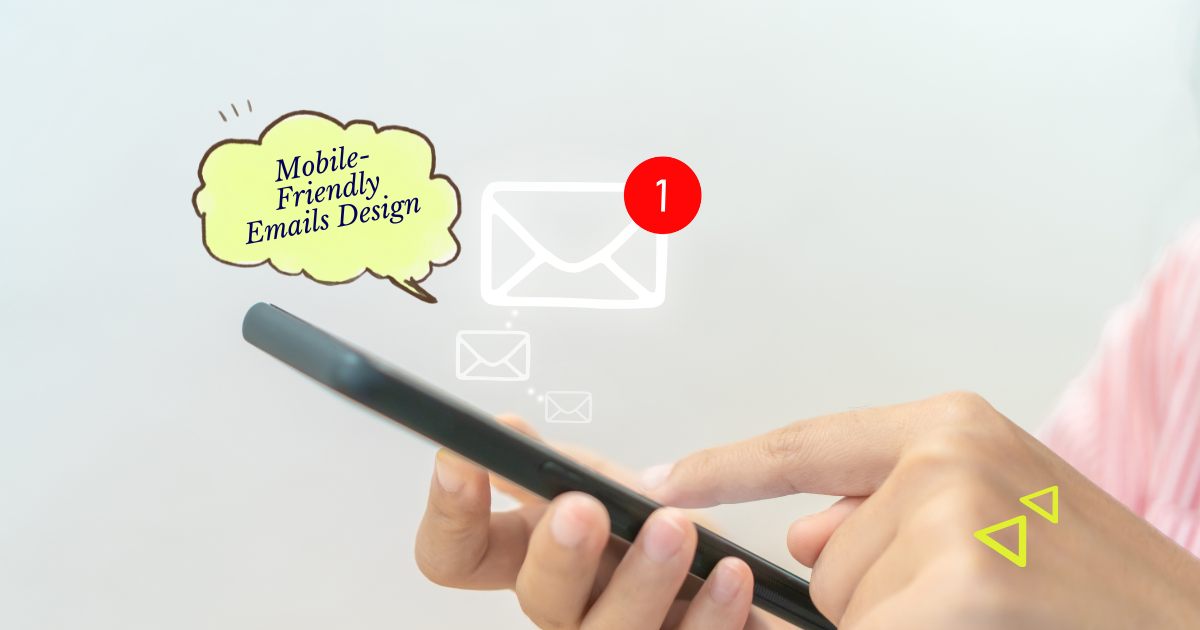
Your email needs to look good and read well. Design is not just about pretty colors. It is about usability. More than 50% of emails are opened on mobile devices. If your email looks broken on a phone, your customer will delete it. Use a responsive template that adjusts to any screen size.
Keep your copy punchy and scannable. People skim emails; they do not read them like a book. Use short paragraphs, bold text for emphasis, and clear headings. Your goal is to get them to the Call to Action (CTA). The CTA is the button that says “Shop Now” or “Read More.” Make it big, bright, and obvious.
Don’t forget the subject line. The subject line is the most important part of your email. If it is boring, no one opens the message. Use curiosity, urgency, or a direct benefit. For example, “Open this to save 20%” works better than “November Newsletter.” Test different subject lines to see what your audience prefers.
Step 5: Deliverability and Compliance
You could write the best email in the world, but it means nothing if it lands in the spam folder. Deliverability is the art of getting into the inbox. To maintain high deliverability, you must keep a clean list. [Insert Link: How to Clean Your Email List]. Remove inactive subscribers regularly. If they haven’t opened an email in six months, let them go.
Sender reputation is key here. Internet Service Providers (like Gmail and Outlook) score your domain based on how people interact with your emails. If many people mark you as spam, your score drops. If people open and reply, your score goes up. Never use “spammy” words like “FREE CASH” or “ACT NOW” in all caps. It triggers spam filters.
You must also follow the law. In the US, the CAN-SPAM Act requires you to include a physical address in your footer. You must also provide a clear, easy way for people to unsubscribe. Honoring opt-outs immediately is not just legal compliance; it is good business etiquette. Respect the inbox.
Step 6: Analytics and Optimization
Email marketing is a numbers game. You need to track your performance to improve. Most email platforms provide detailed analytics dashboards. Do not ignore them. Look at the data to understand what is email marketing doing for your bottom line. The numbers will tell you what your audience likes and dislikes.
Key Metrics to Watch:
- Open Rate: The percentage of people who opened your email. A healthy rate is between 20% and 30%.
- Click-Through Rate (CTR): The percentage of people who clicked a link. This measures how engaging your content is.
- Unsubscribe Rate: The percentage of people who left your list. If this spikes, you are sending irrelevant content.
- Bounce Rate: The percentage of emails that could not be delivered. Keep this under 2% to avoid being flagged as spam.
Use A/B testing to optimize your results. This involves sending two versions of an email to a small group. Version A might have a blue button. Version B might have a red button. See which one gets more clicks, then send the winner to the rest of the list. [Insert Link: A Beginner’s Guide to A/B Testing]. Small tweaks can lead to massive improvements over time.
Common Mistakes to Avoid
Even smart marketers make mistakes. One common error is inconsistency. You cannot email your list once, disappear for three months, and then blast them with a sales pitch. They will forget who you are. Stick to a schedule. Whether it is weekly or monthly, show up when you say you will.
Another mistake is making the email all about you. Your customers care about their problems, not your company news. Flip the script. Instead of saying “We released a new feature,” say “Here is how you can solve X problem faster.” Focus on the benefit to the user. Empathy wins in the inbox.
Finally, do not ignore mobile users. We mentioned this before, but it bears repeating. Test every email on your own phone before hitting send. Check the font size. Check the button size. If your thumb cannot easily click the link, the design is a failure. Mobile-first design is mandatory in 2025.
Conclusion
So, what is email marketing? It is the engine of sustainable business growth. It allows you to build a community, drive sales, and retain customers without relying on rented land like social media. It combines the art of writing with the science of data. When done right, it provides a better return on investment than any other marketing activity.
Remember the basics we covered. Build your list organically. Segment your audience to keep messages relevant. Automate your workflows to save time. And always, always watch your data. You do not have to implement everything at once. Start with a simple newsletter and a welcome series. The most important step is to just start.
Are you ready to take control of your revenue? Don’t let another potential customer slip away. Log into your email platform today, clean up your list, and draft that first welcome email. Your future loyal customers are waiting to hear from you.
Frequently Asked Questions
How often should I send marketing emails?
Consistency is more important than frequency. For most small businesses, sending once a week is a great sweet spot. It keeps you top-of-mind without annoying your subscribers. If you have a lot of content or daily deals, you can send more often, but always monitor your unsubscribe rates to ensure you aren’t overwhelming your audience.
What is the best time to send an email?
There is no single “perfect” time for everyone, but data generally suggests mid-week (Tuesday, Wednesday, Thursday) is best. Mornings between 9 AM and 11 AM often see high open rates. However, the best approach is to test different times with your specific audience to see when they are most active.
How do I stop my emails from going to spam?
To stay out of spam, authenticate your domain (using DKIM and SPF records) and never buy email lists. Keep your engagement high by removing inactive subscribers regularly. Avoid using deceptive subject lines or excessive punctuation (like “!!!!”) which can trigger spam filters.
What is a good open rate for email marketing?
A good open rate usually falls between 20% and 30%, depending on your industry. Nonprofits often see higher rates, while e-commerce might be slightly lower. If your open rate is below 15%, you likely need to improve your subject lines or clean your email list of inactive users.