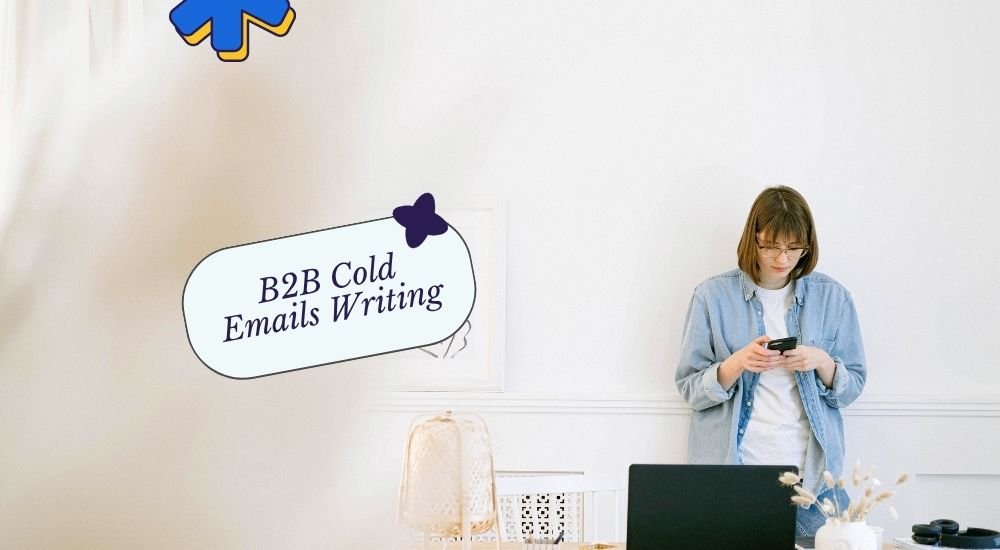
Cold emailing can feel like shouting into the void. You send dozens of messages and hear nothing back. But here’s the truth: B2B cold emails still work when they’re done right. The key is personalization, clarity, and value, not templates or salesy language.
Whether you’re reaching out to potential clients, investors, or partners, the right approach can turn a cold lead into a warm conversation. This guide shows you how to write B2B cold emails that get real replies — without being pushy or ignored.
Key Takeaways
- Research before writing: Know your prospect’s business, pain points, and goals.
- Personalize every line: Generic emails die fast — relevance earns attention.
- Focus on value, not selling: Show how you can help, not what you offer.
- Keep it short: 100–150 words is enough to spark interest.
- Follow up strategically: Most replies happen after the second or third email.
This guide covers everything from structure and subject lines to personalization strategies, examples, and follow-up tips to help you master cold email outreach that converts.
What Makes a Good B2B Cold Email?
A great cold email feels like a personal, relevant message — not an automated pitch. It respects the reader’s time, speaks directly to their needs, and invites a genuine conversation.
According to HubSpot, personalized cold emails can deliver response rates up to 5x higher than generic ones. The formula is simple: research + clarity + value.
The goal isn’t to close a deal right away — it’s to start a meaningful exchange that opens the door to business.
1. Start with a Compelling Subject Line
Your subject line determines whether your email gets opened. It should be short, relevant, and spark curiosity — without sounding like clickbait.
- “Quick question about your Q4 campaigns”
- “Idea to help [Company Name] increase conversions”
- “Loved your post on LinkedIn about [Topic]”
- “[First Name], noticed this on your website…”
Keep it under 45 characters. Personalize it where possible, and avoid spammy words like “free,” “urgent,” or “act now.”
2. Open with Personalization and Context
The first line should prove you’ve done your homework. Mention something specific about the recipient’s company, recent announcement, or content.
Example:
“Hi Sarah — I saw your team at BrightTech just launched the new SaaS analytics dashboard. Congrats! It looks like a game-changer for mid-sized retailers.”
This shows authenticity and instantly separates you from 99% of mass outreach. People reply when they feel seen and understood.
3. Get to the Point Fast
Business leaders are busy. Respect their time by keeping your email concise and focused on one main idea. Aim for three short paragraphs:
- Line 1–2: Personal connection or relevance.
- Line 3–5: The problem or opportunity you noticed.
- Line 6–8: Your solution or value offer in one sentence.
Example:
“We’ve helped B2B software teams reduce lead response times by 40% through automated workflows. Thought it might align with your current sales ops goals.”
Clear, specific, and benefit-focused — that’s how you earn attention.
4. Focus on Value, Not Features
Your prospect doesn’t care about your product specs. They care about outcomes. Frame your email around how you can make their life easier, faster, or more profitable.
Compare:
- ❌ Feature-based: “Our platform offers AI-powered data insights.”
- ✅ Value-based: “We help teams uncover hidden revenue opportunities in their sales pipeline — automatically.”
It’s not about what your product does — it’s about what your prospect gets from it.
5. End with a Clear, Low-Friction CTA
End every cold email with a simple, easy-to-answer question. Avoid pushing for a big commitment like a full demo right away.
- “Would you be open to a quick 10-minute chat next week?”
- “Is this something you’re currently exploring for your team?”
- “Should I send a short case study with results from a similar client?”
Keep your CTA conversational. The easier it is to respond, the higher your reply rate.
6. Keep the Tone Human and Conversational
Avoid sounding robotic or overly formal. Write like you’d talk in a professional conversation — respectful but relaxed.
- Use contractions (“you’re,” “we’ve”) for natural flow.
- Keep sentences short and paragraphs brief.
- Skip jargon and filler phrases (“I hope this finds you well”).
Authenticity builds trust. If your email sounds like a template, it’ll end up in the trash.
7. Follow Up (Politely and Persistently)
Most replies don’t happen on the first email. In fact, Reply.io found that 55% of responses come from follow-ups.
Send 2–3 polite reminders spaced a few days apart. Each one should add value — not pressure.
“Hey Sarah — just checking if you had a chance to see my note below. I thought this idea might help your team streamline reporting. Happy to share an example if useful.”
Persistence, paired with relevance, turns silence into conversation.
8. Test, Track, and Optimize
Cold emailing is part art, part data. Track your open, click, and reply rates. Experiment with subject lines, send times, and CTA phrasing.
- Use tools like Instantly, Lemlist, or Apollo to automate and analyze outreach.
- Track which industries or job titles respond best.
- Refine your message based on real feedback and metrics.
Small tweaks often make a big difference in response rates and conversion quality.
Bloomo Digital Example: A startup marketing agency sent a cold email sequence targeting e-commerce founders with a personalized subject line (“Your checkout flow caught my eye 👀”). The campaign earned a 64% open rate and 22% reply rate — simply by focusing on personalization and value.
9. Use a Clean Email Signature
End your email with a professional, minimal signature that reinforces credibility without cluttering the message.
- Name and Title
- Company name (link to site)
- LinkedIn profile
- Optional: company logo or social proof (e.g., “Trusted by 100+ brands”)
Keep it short. Your signature should enhance trust, not distract from your message.
10. Avoid Common Cold Email Mistakes
Even great outreach fails if you make rookie mistakes. Avoid these traps:
- Writing long, dense paragraphs.
- Using generic intros (“Hope you’re doing well”).
- Sending without personalization.
- Over-selling in the first email.
- Skipping follow-ups.
Cold emailing is a skill — one that improves with every send. The key is learning from what works and continuously refining your approach.
Conclusion
Writing B2B cold emails that get replies isn’t about luck — it’s about empathy, relevance, and clarity. When you focus on the recipient’s world instead of your pitch, your outreach becomes welcome, not ignored.
Start by researching deeply, writing simply, and personalizing every message. Track your results, follow up politely, and treat every reply as the beginning of a relationship — not just a lead.
The more human your emails feel, the more conversations — and clients — you’ll earn.
Frequently Asked Questions
How long should a cold email be?
Keep it between 100–150 words. Short, focused emails are more likely to be read and replied to than long, detailed pitches.
How many follow-ups should I send?
Send two to three follow-ups spaced 3–5 days apart. Each follow-up should offer new value or context, not just repeat your first message.
Should I use templates for cold emails?
Templates can help with structure, but always personalize the content. Use templates as a base — not a shortcut.
What’s the best time to send B2B cold emails?
Tuesday to Thursday mornings (8–11 AM) tend to perform best. But test different times to find what works for your audience.