
You spend hours crafting the perfect update for your business. You stress over the images, you tweak the copy, and you finally hit send with a sense of accomplishment. Then, you wait. The results come in, and your heart sinks. The open rate is low, the clicks are nonexistent, and the silence is deafening. It is a frustrating cycle that many business owners and marketers know all too well.
This does not mean email marketing is dead. In fact, it is quite the opposite. The problem is likely a lack of strategy and connection. Learning how to create a newsletter that resonates requires more than just good grammar and a flashy logo. It demands a deep understanding of what your audience actually wants to see in their inbox. This guide will show you exactly how to turn your newsletter into a revenue-generating asset.
Key Takeaways
- Focus on value over sales. Your readers will only stay subscribed if you educate or entertain them before you ask for a purchase.
- Segment your audience immediately. sending the same generic blast to everyone guarantees lower engagement and higher unsubscribe rates.
- Optimize for mobile devices. Most emails are opened on phones, so a non-responsive design is a fast track to the trash folder.
- Consistency builds trust. Sending on a predictable schedule trains your audience to look forward to your content.
- Test your subject lines. The subject line is the gatekeeper of your email and determines if your content ever gets seen.
We will break down the essential steps to building a high-performing newsletter, covering audience definition, content strategy, design best practices, and the analytics you need to track.
Why Do You Need a Newsletter Strategy?
A newsletter strategy is a plan that aligns your email content with your business goals and audience needs. Without a strategy, you are essentially throwing spaghetti at the wall to see what sticks. That approach wastes time and money.
Think of it this way. You would not build a house without a blueprint. You should not build an email list without a plan. A solid strategy defines who you are talking to and what you want them to do. It transforms your newsletter from a simple “update” into a powerful marketing channel that nurtures leads and retains customers. It provides clarity.
Here is the reality. According to HubSpot, email marketing generates $36 for every $1 spent. That is an incredible return on investment. However, you only unlock that ROI if you move beyond random blasts. You need a deliberate approach that focuses on relationship building. That starts with knowing your “why” before you write a single word.
Step 1: Define Your Audience and Goals
Defining your audience means creating a clear profile of the ideal person who will read your emails. You cannot write compelling copy if you do not know who is reading it. Are they busy CEOs who need bullet points? Are they creative designers who want visual inspiration? Or are they bargain hunters looking for the next deal?
Start by asking specific questions. What pain points keep them up at night? What solutions are they searching for? When you answer these questions, you can tailor your voice and content to match. If you try to speak to everyone, you end up speaking to no one. Specificity wins in the inbox.
Next, set your goals. You need to know what success looks like. Do you want to drive traffic to your latest blog post? Do you want to generate direct sales for a new product? Perhaps you just want to keep your brand top-of-mind. Define your primary goal for the newsletter. This goal will dictate your layout, your copy, and your call to action.
Step 2: Master the Art of the Subject Line
The subject line is the short headline that appears in a subscriber’s inbox before they open the email. It is the single most important factor in your open rate. If your subject line fails to grab attention, the rest of your hard work remains invisible.
Here is the thing. You have about three seconds to make an impression. Your subject line needs to spark curiosity or promise immense value. Avoid generic phrases like “April Newsletter” or “Company Update.” These are easy to ignore. Instead, tease the content inside. Use action verbs and urgent language when appropriate.
Did You Know? According to research by HubSpot, 47% of email recipients decide whether to open an email based on the subject line alone.
Try using personalization here as well. Including the recipient’s name can boost open rates, but do not overuse it. You can also use “preheader text.” This is the snippet of text that appears next to or below the subject line. Use it as a secondary hook to support your main subject line. It gives you a second chance to convince the reader to click.
Step 3: Create Value-Driven Content
Value-driven content is material that educates, entertains, or solves a problem for the reader without immediately asking for money. The biggest mistake brands make is treating their newsletter like a flyer. If every email is a hard sell, your unsubscribe rate will skyrocket.
Follow the 90/10 rule. This means 90% of your content should provide value, and only 10% should be promotional. This builds authority and trust. When you finally do ask for a sale, your audience is much more likely to buy because you have already helped them. You have earned the right to sell.
Great content ideas include:
- How-to guides: Solve a specific problem they face.
- Industry news: Summarize trends so they do not have to research.
- Behind-the-scenes: Show the human side of your business.
- User-generated content: Share stories or photos from happy customers.
Step 4: Design for Skimmability
Skimmability refers to how easy it is for a reader to scan your email and understand the main points within seconds. We live in a distracted world. Most people will not read your newsletter word-for-word. They will scan headers, images, and bold text to see if it is relevant.
Structuring your email correctly is vital. Use clear headings (like H2s and H3s) to break up sections. Keep your paragraphs short—no more than three to four lines. Use bullet points to list benefits or features. This visual hierarchy guides the reader’s eye down the page toward your call to action.
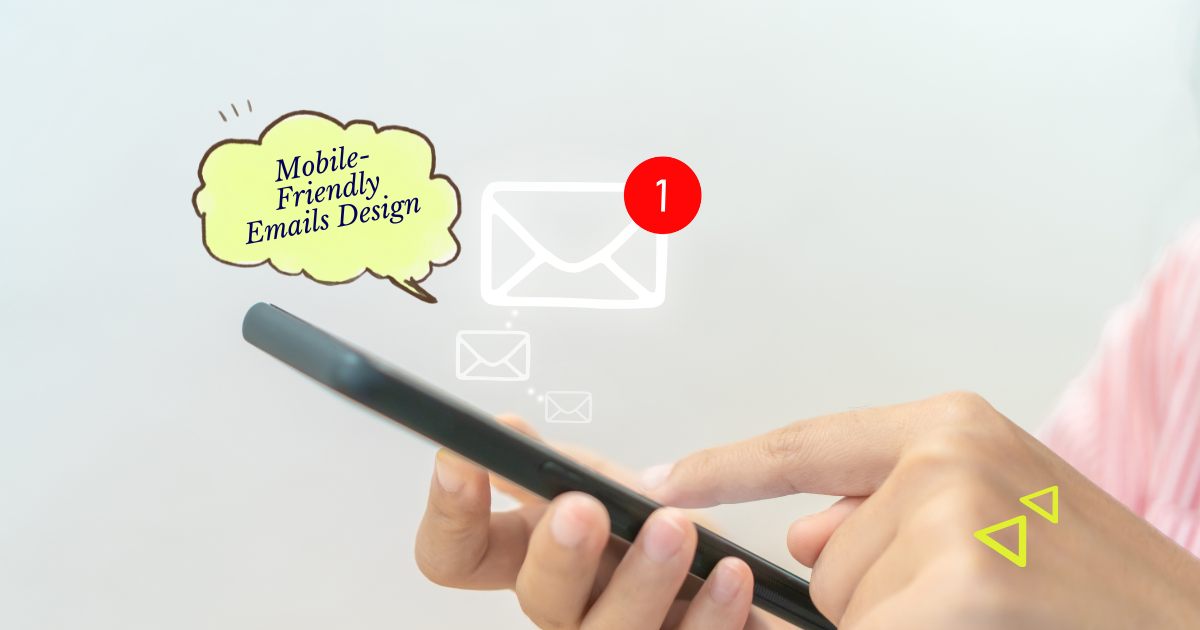
You must also prioritize mobile design. More than half of all emails are opened on mobile devices. If your font is too small or your images are too wide, mobile users will delete your message instantly. Test every newsletter on a phone before you send it. A single column layout usually works best for mobile responsiveness.
Step 5: Personalization and Segmentation
Segmentation is the process of dividing your email list into smaller groups based on specific criteria like location, purchase history, or interests. Personalization is the act of tailoring the content to those specific groups. This is how you make your subscribers feel special.
The “batch and blast” method is outdated. You should not send a “Welcome to the family” email to a customer who has been with you for five years. You should not send a discount for winter coats to subscribers living in tropical climates. These irrelevant emails annoy people and hurt your brand reputation.
Start with simple segments. [Insert Link: The Ultimate Guide to Email Segmentation]. You can separate customers from non-customers. You can segment by engagement levels—targeting people who have not opened an email in 90 days with a re-engagement campaign. Modern email tools make this easy. Use tags to track behavior and send content that matters to that specific individual.
Step 6: Call to Action (CTA) Placement
A Call to Action (CTA) is the button or link that tells the reader exactly what step to take next. Common examples include “Shop Now,” “Read More,” or “Book a Consultation.” Your newsletter serves a purpose, and the CTA is the bridge to that goal.
Clarity is your best friend here. Do not use vague language like “Click Here.” Be specific about the result. “Download Your Free Guide” is much more compelling. Use a contrasting color for your buttons so they stand out from the rest of the design. Make sure there is plenty of white space around the button so it is easy to tap on a mobile screen.
Limit your CTAs. If you ask your reader to do five different things, they will likely do nothing. This is known as analysis paralysis. Ideally, stick to one primary CTA per newsletter. If you must have multiple links, ensure the primary goal is visually dominant. Guide them to the one action that matters most.
Step 7: Deliverability and Technical Hygiene
Email deliverability is the ability of your emails to land in the primary inbox rather than the spam folder. You can write the best content in the world, but it does not matter if Google or Outlook blocks it. This is the technical side of how to create a newsletter.
First, you must authenticate your domain. This involves setting up records like SPF, DKIM, and DMARC. These sound complex, but they are essentially digital ID cards that tell inbox providers you are who you say you are. Without them, you look like a spammer. Most email marketing platforms (like Mailchimp or Klaviyo) have guides to help you set this up.
Second, keep your list clean. Routinely remove subscribers who have not opened an email in six months or more. This sounds scary because your list size goes down. However, your engagement rates will go up. High engagement rates tell spam filters that your emails are wanted. A smaller, engaged list is far more valuable than a massive list of ghosts. [Insert Link: How to Improve Email Deliverability].
Step 8: Analyze and Iterate
Email analytics involves tracking metrics like open rates, click-through rates (CTR), and conversion rates to understand performance. You cannot improve what you do not measure. After every send, you should be looking at the data to see what worked and what failed.
Look at your open rate to judge your subject lines. If it is low, try A/B testing different headlines next time. Look at your click-through rate to judge your content and design. If people open but do not click, your content might not be relevant, or your CTA might be hidden.
Do not get discouraged by a bad week. Email marketing is a long game. Use the data to make small tweaks. Maybe your audience prefers emails on Tuesday mornings instead of Friday afternoons. Maybe they prefer plain text over heavy graphics. Test one variable at a time, analyze the results, and refine your strategy.
Conclusion
Learning how to create a newsletter that people actually read is not a mystery. It is a mix of empathy, strategy, and technical execution. You must respect your audience’s inbox by providing genuine value and designing for their convenience. When you stop broadcasting and start connecting, the results will follow.
Remember that consistency is key. You are building a relationship, and relationships take time. Start with a clean list, segment your audience, and write like a human being. If you focus on helping your reader first, the sales and engagement will naturally follow. It is time to stop guessing and start growing.
Are you ready to transform your email marketing? Start by auditing your last three newsletters against the tips in this guide. Identifying just one area for improvement—whether it is subject lines or mobile design—can make a massive difference in your next campaign.
Frequently Asked Questions
How often should I send a newsletter?
There is no single perfect frequency, but consistency is more important than volume. For most small businesses, a weekly or bi-weekly cadence works best to stay top-of-mind without annoying subscribers. If you can only produce high-quality content once a month, stick to a monthly schedule rather than forcing weekly emails with low value.
What is the best time to send a newsletter?
Historically, mid-week days like Tuesday, Wednesday, and Thursday have shown the highest open rates. Morning hours, around 10 AM, often perform well as people check email at work. However, this varies heavily by industry. The best approach is to use your email platform’s optimization tools or A/B test different times to see when your specific audience is most active.
How do I grow my newsletter subscriber list?
You need to offer a compelling reason for people to sign up, often called a lead magnet. This could be a discount code, a free ebook, or access to exclusive content. Place sign-up forms prominently on your website, in your blog posts, and on your social media bio. Never buy an email list; organic growth ensures you have an engaged audience that actually wants to hear from you.
What is a good open rate for a newsletter?
Average open rates vary by industry, but generally, a healthy open rate is between 20% and 30%. If you are consistently seeing rates below 15%, you may need to clean your list or improve your subject lines. Keep in mind that recent privacy changes (like Apple’s Mail Privacy Protection) have made open rates slightly less reliable, so focus on clicks as well.